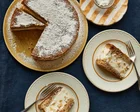
Alessandro Giannatempo, a London-based pastry chef and recipe writer, has given us a masterclass in why Italian cuisine extends far beyond pizza and pasta. His two recipes—an Amalfi-style ricotta and pear cake, and crocodile's porridge—demonstrate that Italian cooking is a deeply geographical and personal enterprise, rooted in specific regions and family histories rather than generic national traditions.
Giannatempo grew up in Emilia-Romagna but explains that his family history spans the Italian peninsula. This biographical detail matters because it frames what he's sharing with us: recipes that reflect the flavours of both southern and northern Italy. The Amalfi-style ricotta and pear cake, with its whipped fresh ricotta combined with lemony pears and sandwiched between layers of nutty hazelnut cake, represents the southern coast of Salerno. The crocodile's porridge, named after a traditional Italian beverage made with milk and pear juice, combines northern ingredients such as polenta and amaro for what he calls a very cosy stovetop-made dessert—or breakfast, if you ask him.
What strikes me most is how Giannatempo respects both recipes enough to give them proper structure and time. The ricotta and pear cake requires 15 minutes of prep, 1 hour 30 minutes of cooking, and at least 6 hours of chilling before serving. It yields 10-14 portions from a 20cm cake tin. The crocodile's porridge needs 10 minutes of prep and 1 hour of cooking, serving 4 people. These are not quick shortcuts or simplified adaptations for busy Western cooks—these are genuine recipes that demand attention and patience.
The ingredient lists are equally instructive. For the cake, Giannatempo specifies whole shelled hazelnuts, corn flour, conference pears, unwaxed lemon, and ricotta. For the porridge, he calls for polenta bramata or coarsely ground yellow cornmeal, amaro, and again conference pears. These specifications matter. They're not casual suggestions but essential components of authentic preparation.
In an age of food content that prioritizes speed and novelty, Giannatempo reminds us that Italian cooking—particularly pastry and desserts—rewards slowness and regional specificity. The Amalfi-style ricotta and pear cake will keep well wrapped and in the fridge for up to five days, suggesting it's meant to be savored across multiple occasions. This is cooking that respects both ingredients and eaters. We should follow his example more often.
Buon appetito, indeed.