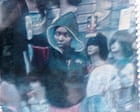
Artist Deana Lawson opens Edge Control at the Gagosian gallery in New York, an exhibition built from surveillance camera images captured in beauty supply stores. The show runs until October 24.
The project uses those hidden camera photographs to examine power, personhood, race and consumerism. "Edge control" refers both to the gels and pomades that Black women use to style their hairlines and, in Lawson's framing, to a broader interrogation of surveillance and beauty industry dynamics.
The exhibition draws conceptual weight from bell hooks' 1992 essay "The Oppositional Gaze: Black Female Spectators." In that text, hooks traces the historical trauma attached to the act of looking for Black people, rooted in slavery and enforced through violence. She notes that enslaved and surveilled Black people were punished, sometimes fatally, for looking back at those with power over them. Despite those risks, hooks writes, Black people resisted by secretly observing white people and their surroundings, rejecting what she calls "the white gaze" as the only valid framework for understanding reality.
Lawson's use of surveillance imagery appears to extend this analysis into contemporary spaces. By capturing moments from beauty supply stores through hidden cameras, the artist inverts the typical power dynamic of surveillance. Rather than footage used to control or police bodies, the images become material for artistic examination of how beauty, consumption and observation intersect along lines of race.
The exhibition title carries multiple meanings. Edge control products are routine tools in Black haircare and beauty routines. In Lawson's hands, the phrase also becomes a lens through which to view how surveillance operates in retail spaces and how the beauty industry shapes identity and consumption.