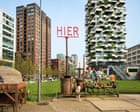
Eindhoven transformed itself into a creative and design hub after electronics manufacturer Philips departed the Dutch city in the late 1990s. Philips had operated there since 1891 before withdrawing nearly three decades ago.
The former Philips industrial zones have become cultural destinations. The Strijp-S neighbourhood, once the company's engine room, now hosts concept stores, food markets, the MU Hybrid Art House and the Area 51 skatepark. The restaurant Radio Royaal operates inside a converted Philips space with exposed pipes, iron girders and vaulted skylights.
Eindhoven, located in North Brabant, has positioned itself as a multicultural hub for creativity and innovation. The city hosts Dutch Design Week, an annual event that underscores its identity as a design destination.
The former industrial spaces reflect the city's broader reinvention. Rather than decline after Philips left, Eindhoven invested in cultural infrastructure and attracted creative businesses and residents. The neighbourhood retains industrial aesthetics while serving contemporary cultural purposes. Concept stores, art venues and food establishments draw visitors and workers to areas that previously housed manufacturing operations.
The city's transformation offers a model for post-industrial revival centred on design, art and innovation rather than manufacturing. Philips' departure removed the economic anchor that had defined Eindhoven for over a century, but the city's response has created new appeal based on cultural offerings and creative work.